Why the First Atomic-Scale View of a Nickelate Superconducting Gap Points to s-Wave Pairing, Not the Cuprate Playbook
Researchers have achieved the first atomic-scale view of a superconducting gap in bilayer nickelate films, revealing a U-shaped, nodeless structure. This spectral fingerprint indicates s-wave pairing symmetry, distinguishing it from the d-wave symmetry found in cuprate superconductors and suggesting a new path for high-temperature superconductivity research.
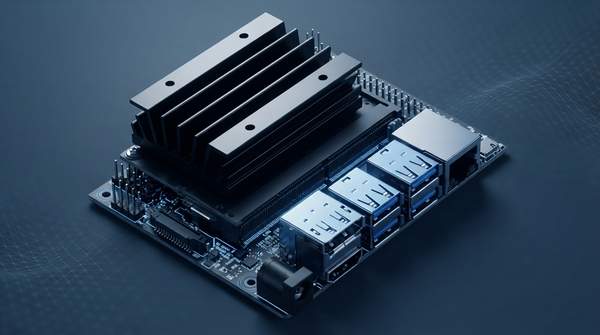
Choosing Between On-Device and Cloud AI Inference: A Decision Framework for Your Workload
Choosing the right AI inference architecture—on-device, cloud, or hybrid—is a critical per-workload decision. This article offers a framework based on latency, privacy, model complexity, and cost to guide your selection process.

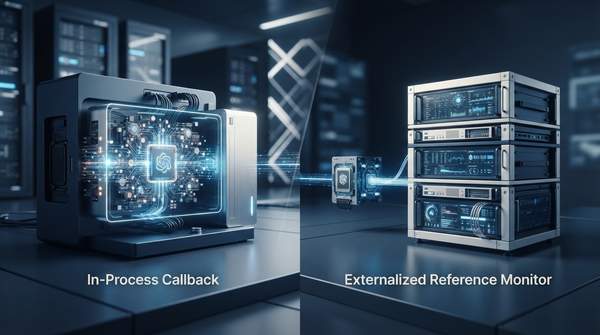
Securing Autonomous AI Agents in Multi-Tenant SaaS: A Trade-Off Framework for Isolation, Identity, and Threat Modeling
Securing autonomous AI agents in multi-tenant SaaS hinges on three core architectural decisions: isolation, identity, and threat modeling. Workload sensitivity, compliance, and risk should drive these choices, not implementation convenience, to prevent cross-tenant breaches and unauthorized actions.

Bluetooth Isn’t the Only Way to Play With Star Lite Tech Co. Speakers
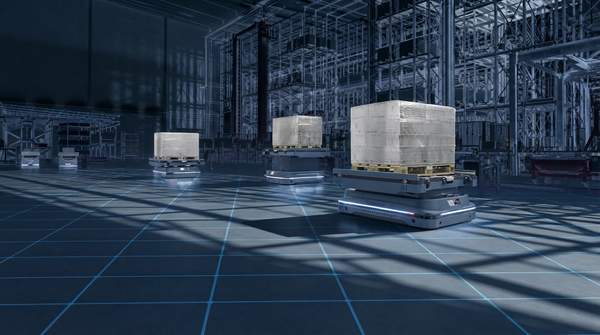
Choosing Between LiDAR, Visual, and Multi-Modal SLAM for Your Industrial Mobile Robot
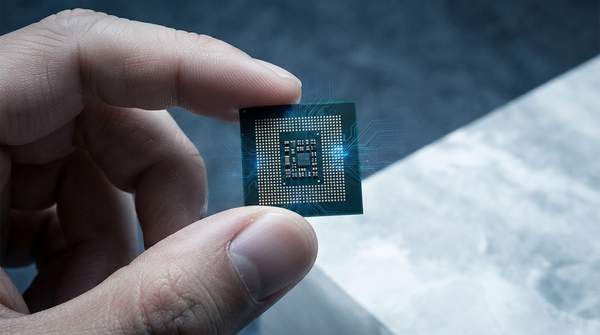
Why a 20x Power Gap Decides Your Edge AI Chip: NPU vs. GPU, and How to Choose

Choosing an LLM Inference Architecture: How the Latency–Cost–Scalability Trilemma Shapes Your Deployment
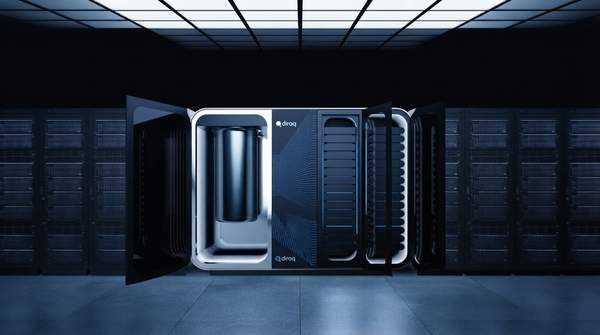
Diraq Installs World's First Silicon Spin Quantum Computer in a Commercial Data Center

How Pillowsonic Symphony Helps Calm Unwanted Thoughts for Lasting Anxiety Relief at Night
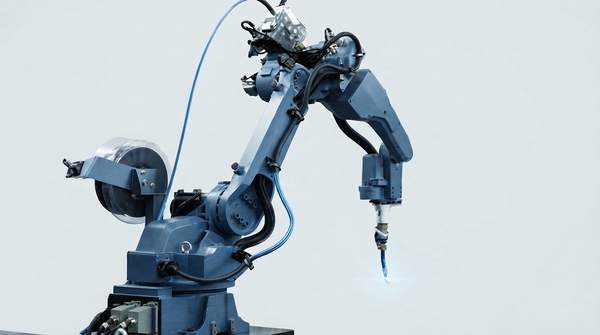
Choosing an RTOS for Robotics: How to Classify Your Tasks Before You Pick a Kernel

Qiskit, Cirq, PennyLane, or Q#? How to Pick the Right Quantum SDK for Your Project
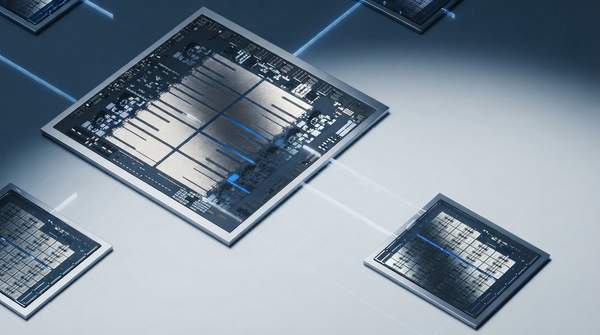
HBM vs. GDDR6 vs. LPDDR5X: Which Memory Architecture Fits Your AI Accelerator?

How Digital Twins Simulate, Optimize, and Predict Robotic Manufacturing Performance

Choosing Between LIME, SHAP, Permutation Importance, and Partial Dependence Plots: A Practical Comparison

Translating Zero Trust Principles into SaaS Architecture: A Principle-to-Pattern Decision Framework



Opinion & Editorial

Generative AI Erodes Critical Thinking, Setting Up Long-Term Cognitive Risks

Where to Keep Humans in the Loop: A Practical AI Code Review Framework for Development Teams

AI Will Not Replace Developers, But It Will Transform Their Roles.

AI's Unchecked Power Will Outpace Our Ability to Govern It by 2026

Black Box Medicine: The Three-Part Test for AI You Can Actually Trust

Pope Leo XIV's Five Demands: What "Magnifica Humanitas" Says AI Must Not Be Allowed to Do
Analysis & Trends

Four Pillars and the Architecture Behind Them: How to Evaluate a Cloud FinOps Platform

URI, Header, or Media Type: How to Pick Your API Versioning Strategy Without Guessing

MCU, SoC with NPU, or FPGA: How to Choose Your Edge AI Hardware Category

OLED vs. Mini-LED vs. Micro-LED vs. Quantum Dot: How Display Architecture Drives the Brightness-and-Contrast Trade-off

Five Dimensions That Separate Deep Tech From Software Startups — and How to Evaluate Them

CRISPR, TALENs, or ZFNs: Choosing the Right Gene-Editing Tool for the Job
Explainers

Solid-State vs. Lithium-Ion: Why the Electrolyte Inside Your Battery Determines Its Safety, Density and Lifespan

Choosing an Integration Pattern for AI Agents in Your Developer Tools and CI/CD Pipeline
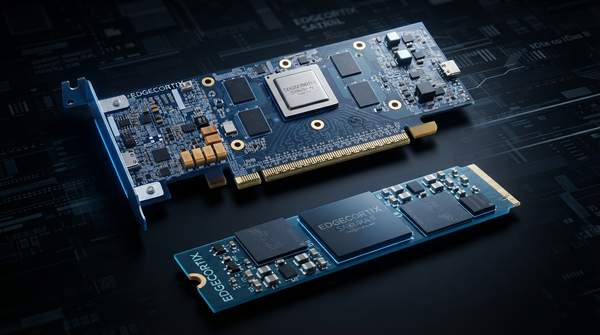
Designing Low-Power Edge AI Accelerators: The Three-Way Trade-off Between Architecture, Heat, and Form Factor

Latency, Power, Size and Fidelity: Choosing the Right Haptic Actuator for Consumer Devices

From CASB to SSPM to SSCP: Three Architectures, Three Different SaaS Security Questions