
Ai Accelerators
4 articles
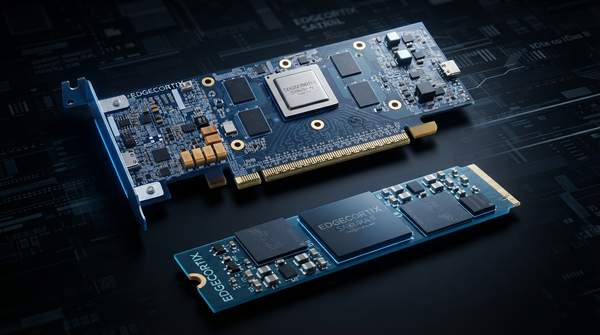
Designing Low-Power Edge AI Accelerators: The Three-Way Trade-off Between Architecture, Heat, and Form Factor
Designing low-power edge AI accelerators requires balancing chip architecture, thermal management, and physical form factor, as these domains are tightly coupled. Understanding these trade-offs is crucial for optimizing performance, battery life, and component lifespan in edge devices.
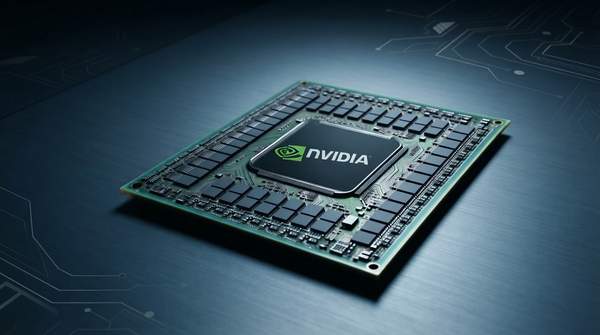
NPU or GPU for Edge AI? How the Architecture Decides the Power, Latency and Cost Trade-offs
Choosing between an NPU and GPU for edge AI hinges on architectural design, impacting power, latency, and cost. NPUs excel in power-efficient, dedicated AI inference, whereas GPUs provide broader workload versatility at a higher energy expense.
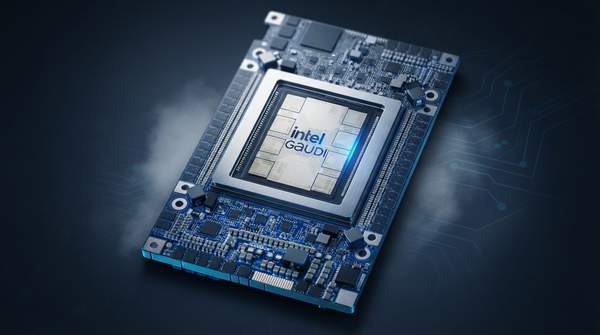
HBM and FOWLP in AI Accelerators: Two Different Answers to the Bandwidth and Thermal Problem
HBM provides essential memory bandwidth for AI accelerators through 3D stacking, whereas FOWLP offers a cost-effective, compact integration platform for heterogeneous dies. The choice between them depends on whether raw bandwidth or cost, form factor, and I/O flexibility is the dominant design constraint.

How 3D Stacking and Chiplets Drive Performance in HPC and AI Accelerators
Advanced packaging technologies like 3D stacking and chiplets are critical for enhancing performance scaling and heterogeneous integration in modern HPC and AI accelerators. These innovations address limitations of traditional 2D scaling by enabling denser integration, higher bandwidth, and improved power efficiency.