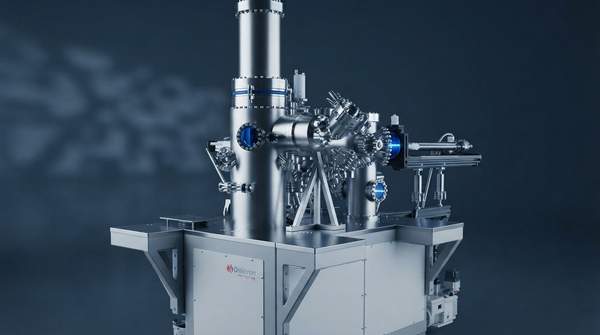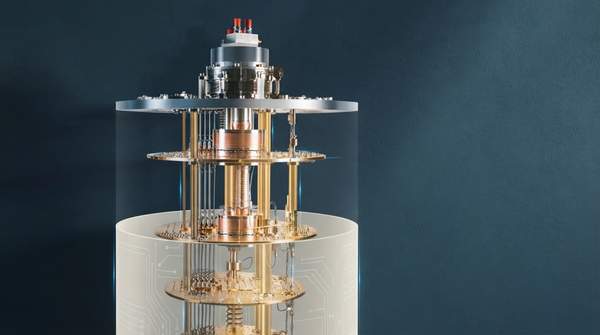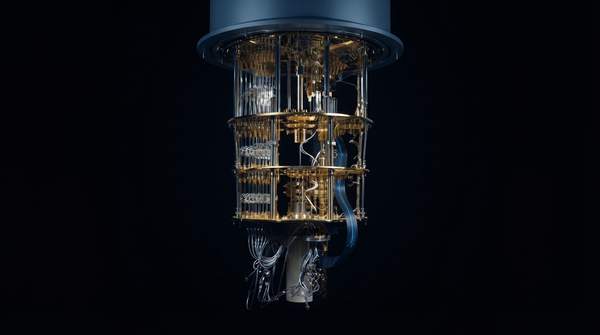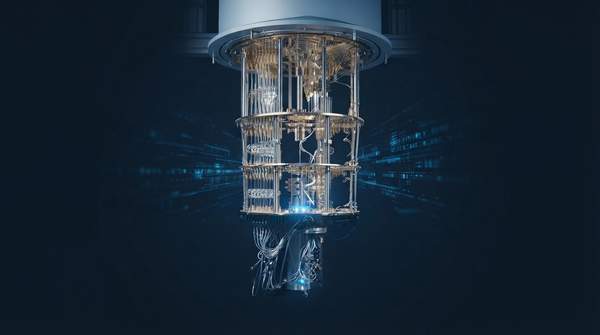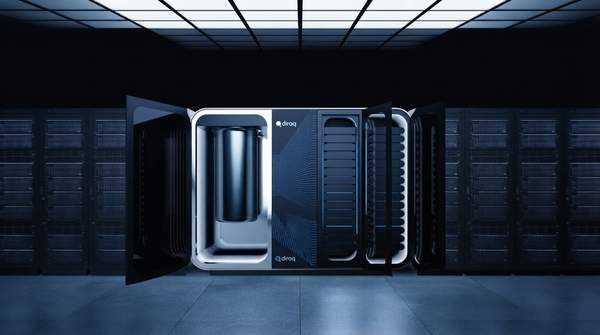
Diraq has deployed what the company describes as the world's first silicon spin quantum computer operating inside a commercial data center, placing the machine in an Equinix facility in Sydney, Australia, in an installation completed on November 9, 2026. The move is a proof of concept that a quantum computer can run alongside ordinary enterprise servers rather than in a specialized laboratory, which Diraq frames as a decisive step toward making the technology commercially accessible.
Diraq Deploys Silicon Spin Quantum Computer in Equinix Data Center
The Sydney installation marks a departure from how most quantum machines have historically been housed. Diraq's system sits within Equinix's existing data center alongside standard servers, drawing less than 20kW of power and requiring minimal integration, according to the company's announcement. The deployment follows a plan announced in August and September 2026 by Diraq and Equinix, when the partners first described installing an eight-qubit prototype in the Sydney facility.
Diraq's founder and CEO, Andrew Dzurak, positioned the milestone as the moment quantum computing leaves the lab. "We are now at a point where quantum computing can start to reach industries and the people they serve," Dzurak said, adding that the silicon spin approach aims to deliver utility within five years, not decades. The company's stated ambition is scaling to millions of qubits, with systems it says will be deployable anywhere in the world next to the AI systems reshaping the global economy.
Silicon Spin Qubits: The Foundation for Data Center Integration
The engineering case for the deployment rests on the properties of silicon spin qubits, the technology Diraq has built its strategy around. Because these qubits are fabricated in silicon using processes compatible with established semiconductor manufacturing, the resulting systems can be made compact and power-efficient enough to fit within the physical and electrical constraints of a standard data center rack.
Diraq's own engineering commentary frames footprint and power consumption not as engineering trivia but as procurement constraints that shape where a quantum system can be deployed at all. The company argues that a quantum computer must fit somewhere a customer can access it as part of their existing compute suite, and for Diraq that somewhere starts with the data center. This inference is drawn from Diraq's descriptions of its technology; the deployment itself is the first public demonstration of that claim in a live commercial environment.