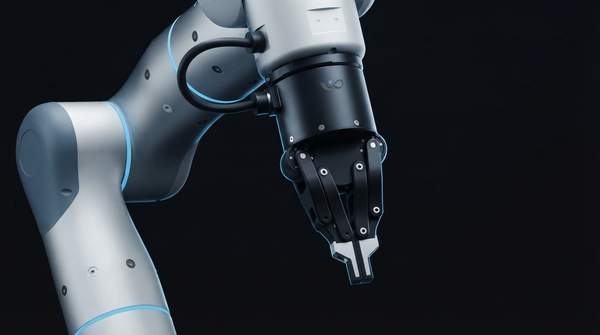
A digital twin for robotic manufacturing is a virtual replica of a physical object, process, or system that mirrors its real-world status, functionality, and interactions with other devices. In practice, that means a robot cell or production line has a living software counterpart — fed by sensor and control data — where engineers can test layouts, validate robot programs, and predict failures before touching the physical plant. The payoff, according to practitioners and researchers alike, is faster deployment, fewer surprises on the shop floor, and less unplanned downtime.
Introduction to Digital Twins in Robotic Manufacturing
The core idea is simple: build the cell twice, once in software and once in steel. HSO, a business solutions provider, defines the twin as a digital representation that continuously mirrors a real component's condition and its interactions with other devices. What separates a twin from a static 3D model is the data connection. Research on digital twin technology in manufacturing systems describes the result as intelligent infrastructure providing real-time state perception, adaptive adjustment, remote operation and maintenance, and multi-objective coordination — capabilities that a growing number of researchers are combining with robotic technologies to drive the sector's intelligent transformation.
For robotics engineers, the twin is not one product but an architectural pattern. Different vendors implement it differently, but the underlying structure — physical assets, data acquisition, a virtual model, analysis, and a feedback path — recurs across platforms from Siemens to NVIDIA.