Choosing between a parallel gripper and a compliant, soft gripper for precision assembly comes down to one core trade-off: precise, programmable force versus gentle, shape-adaptive contact. Servo-electric parallel grippers give you software-adjustable force, speed, and position control suited to close-tolerance work, but they expect consistent part geometry. Compliant grippers conform to irregular and delicate parts and minimize damage, but their force control is less granular and their raw grip force is lower. This guide walks through both archetypes, compares them against the criteria that matter in precision assembly, and applies the comparison to two concrete scenarios so you can map the framework onto your own line.
Understanding Precision Assembly Gripper Types
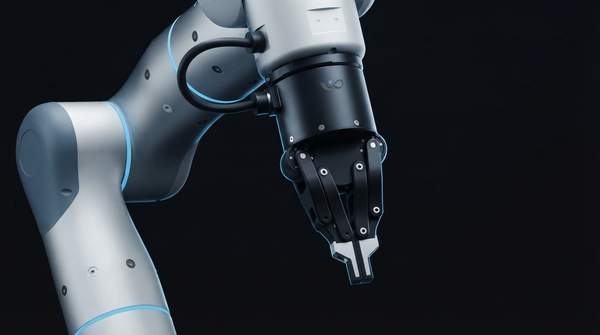
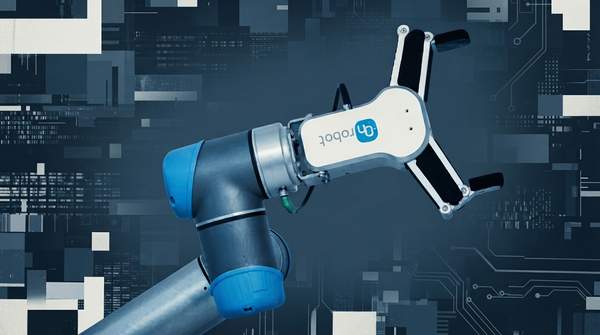
Parallel grippers use jaws that move in straight, opposing paths to close on a part. They are the workhorse of assembly automation: as one technical guide puts it, they suit "rigid parts with defined gripping surfaces," with the main advantage of being precise, common, and easy to customize, and the main limitation that they usually need part-specific fingers. Electric versions add a control layer. Most electric grippers ship with microprocessors that let you vary gripping force and speed, and adding a force sensor makes it easier to handle different part types, as Universal Robots explains in its manufacturing gripper overview.
Compliant or soft grippers take the opposite approach. Instead of rigid jaws, they use flexible materials and mechanisms that transmit force and motion through elastic deformation, as described in a gripper-design review published in MDPI's Robotics journal. Because the structure itself deforms, compliant mechanisms have a reduced number of moving parts, which makes them light. The trade-off is inherent: the same elasticity that protects delicate parts also limits how rigidly and forcefully the gripper can hold them.