
Multi Tenancy
4 articles
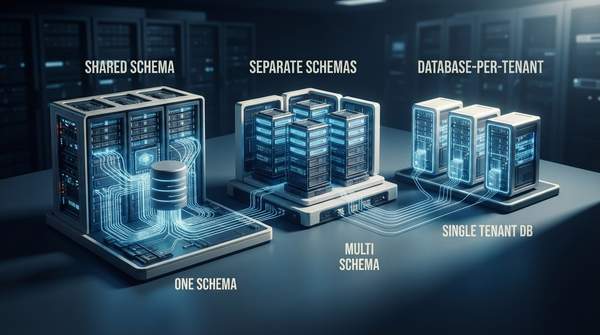
Shared Schema vs. Separate Schemas vs. Database-per-Tenant: Which Multi-Tenant Database Architecture Fits Your SaaS?
Choosing the right multi-tenant database architecture involves balancing data isolation, operational costs, scalability, and tenant customization needs between shared schema, separate schemas, and database-per-tenant patterns.
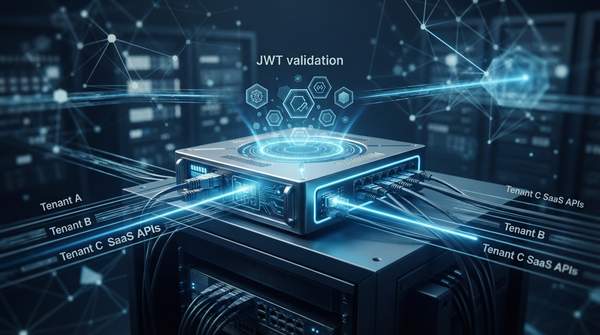
How Header-Based Routing and JWT Validation Secure Multi-Tenant SaaS APIs at the Gateway
Cloud-native API gateways secure multi-tenant SaaS applications by using header-based routing to direct requests to the correct tenant backend and enforcing policies like JWT validation at the edge. This approach provides a single control point for traffic direction and security, reducing the attack surface and improving scalability.

Choosing Your Multi-Tenant Vector Database Architecture: Silo, Pool, or Hybrid
Choosing the right multi-tenant architecture for your vector database involves balancing data isolation, performance, cost, and operational complexity. Explore the Silo, Pool, and Hybrid models to find the best fit for your generative AI applications.
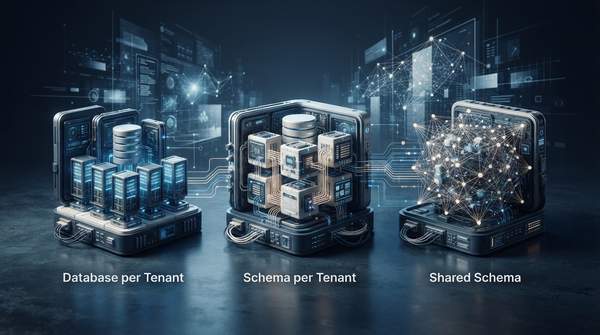
Comparing Multi-Tenancy Database Patterns for SaaS Applications
SaaS architects must choose between database-per-tenant, schema-per-tenant, and shared-schema multi-tenancy database patterns. This article compares their trade-offs in isolation, cost, and complexity to guide optimal selection for SaaS applications.