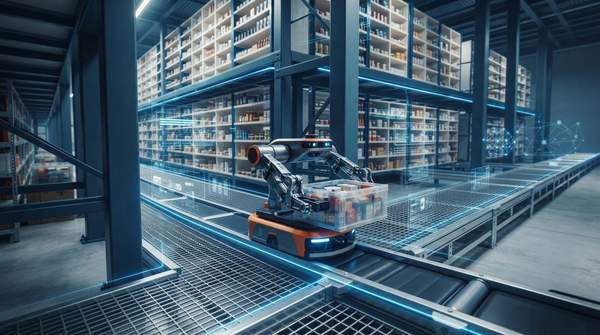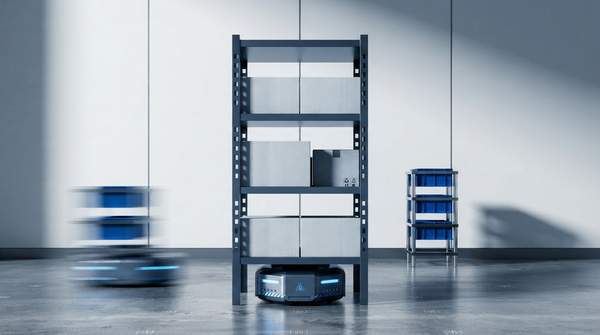
Choosing an autonomous mobile robot starts with one question: how does your material actually move? If it rolls on carts, a tugger AMR that pulls a convoy is likely your architecture. If it sits on shelves or totes and needs to reach a picking station, a carrying or shelving AMR fits. If the task is picking, packing, or assembly itself, you need a mobile cobot with a manipulator arm. This guide compares those three architectures on function, use cases, payload, and the operational trade-offs that decide which one belongs in your facility.
Understanding Autonomous Mobile Robot Architectures
AMRs differ from automated guided vehicles in that they navigate freely rather than following fixed paths, so the meaningful comparison is not brand versus brand but architecture versus architecture. Industry guides break the category down by what the robot does to the load. One widely referenced taxonomy of AMR types describes tuggers that pull carts like a convoy, cart-pulling robots that attach beneath carts with pin hooks, robots that carry pallets and shelves, and mobile cobots that fuse AMR movement with robotic arms.
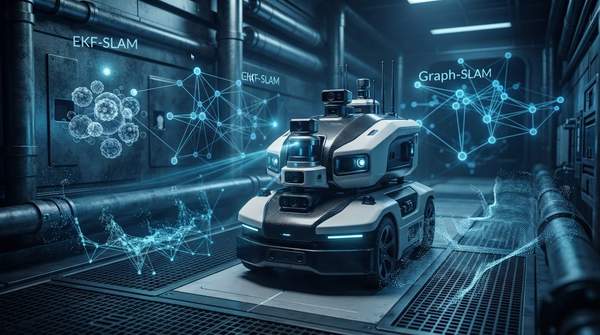
Two navigation approaches dominate modern AMRs. Most rely on LiDAR-based simultaneous localization and mapping (SLAM), where laser scanners build a map of the facility and track the robot's position within it. Others use vision-based SLAM, which substitutes cameras for lasers. The operational distinction matters for layout flexibility: because both approaches let the robot re-map its surroundings rather than follow taped lines or embedded wire, they support facilities where aisles, racking, and workstations change over time. What differs in practice is how each sensor type copes with your environment—dust, lighting, and aisle geometry all influence reliability—which is why navigation should be evaluated against your actual floor conditions, not just a spec sheet.
A second framing decision comes before any robot is selected: identify the load first. TGW Logistics advises operators to consider the load type and load requirements before evaluating performance requirements, noting that smaller warehouse robots roughly two feet by one-and-a-half feet handle totes and cartons, while standard pallet transport vehicles measure about four feet by three-and-a-half feet, and the largest configurations carry significant payloads that vary by vendor and application. That load analysis, in TGW's words, "determines every subsequent specification decision."