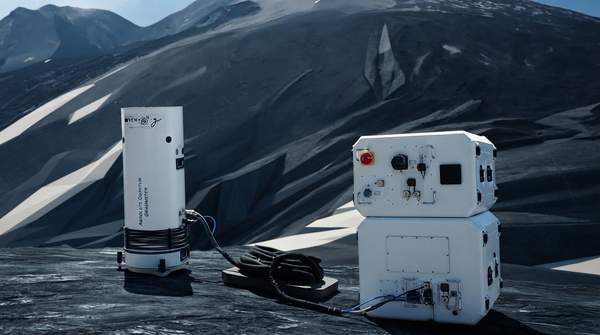
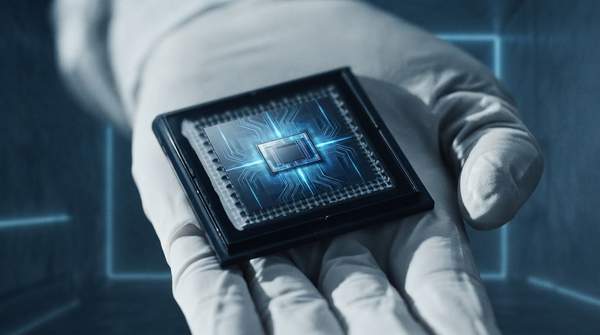
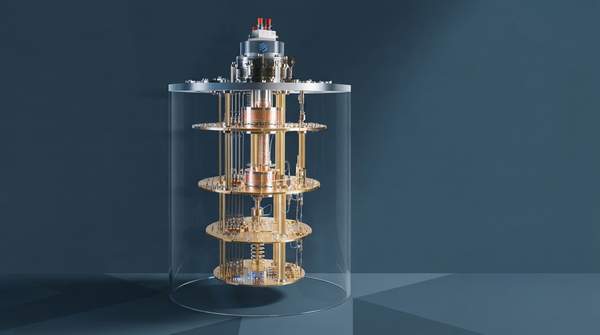
Japan has officially launched Shunkai, its first full-stack neutral-atom quantum computer, initially equipped with approximately 50 qubits, marking a significant step in the global quantum race. Business Wire reports Infleqtion provided the crucial Quantum Processing Unit (QPU), positioning Japan as a key player in quantum computing for 2026.
Japan has launched a quantum computer with a modest initial qubit count, but its long-term scaling ambitions signal a serious commitment to global quantum leadership. This tension between initial capability and future intent suggests a calculated risk in an emerging technological domain.
Neutral-atom quantum computing is emerging as a critical technology in the international race for quantum supremacy, with national investments like Japan's accelerating its development and adoption. This strategic direction directly challenges established superconducting and trapped-ion contenders.
What We Know
- Japan has launched Shunkai, its first operational full-stack neutral-atom quantum computer, according to Quantum Computing Report and Business Wire.
- Infleqtion supplied the crucial Quantum Processing Unit (QPU) for this system, as reported by Business Wire. This collaboration positions neutral-atom technology, often seen as a dark horse, squarely in the national quantum spotlight.
Initial Capabilities and Strategic Significance
Shunkai operates with approximately 50 qubits, with Infleqtion, Inc. supplying the Quantum Processing Unit (QPU) stack, according to thequantuminsider. This initial system provides a foundational research platform, validating neutral-atom architecture as a viable national quantum path. Infleqtion's involvement, therefore, isn't just a supply deal; it's a crucial endorsement for neutral-atom technology, positioning it as a serious contender against established architectures and implying a belief in its inherent scalability.