Quantum computing hardware is rapidly evolving, with superconducting, trapped ion, and photonic systems emerging as leading architectures, each presenting distinct trade-offs in performance metrics and engineering challenges. For quantum software engineers and researchers, understanding these fundamental differences is crucial for making informed decisions about algorithm selection and development environment choices. The choice of a physical qubit implementation is not merely a matter of experimental convenience; it is a central design decision that shapes the performance envelope of a quantum processor, influencing achievable coherence times, gate speeds, connectivity patterns, operating temperatures, and compatibility with scalable error correction, as noted by Arun Govindankutty in *Discover Quantum Science*. Superconducting Quantum Computers: Performance and Scaling
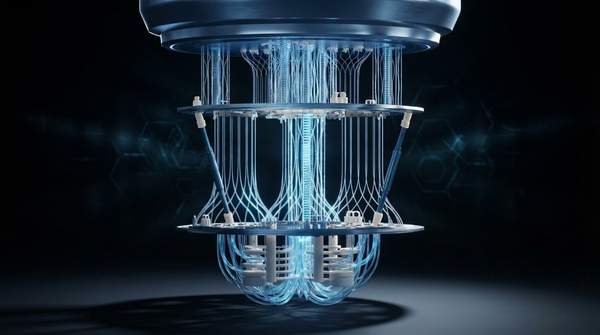
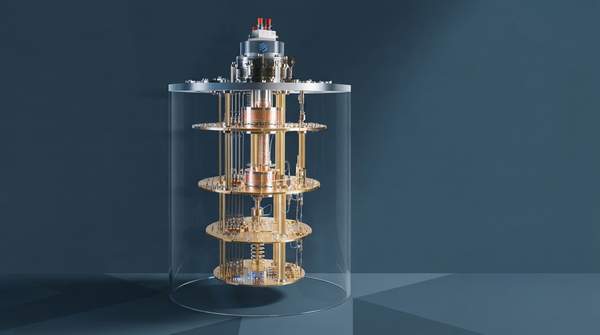
Superconducting qubits, which are tiny superconducting circuits, are among the most commercially developed approaches in quantum computing. These systems are recognized for their fast gate operations and manufacturing advantages, according to The Quantum Insider. However, they require extreme cooling to temperatures near absolute zero, specifically around -450°F (-273°C), to function properly. This necessity for cryogenic temperatures poses significant engineering challenges for advancement and scaling, creating substantial space and power demands, as highlighted by Quandela. Current quantum computers, including superconducting systems, typically exhibit error rates ranging from 0.1% to 1% per quantum gate operation, meaning one error occurs for every 100 to 1,000 quantum operations. Superconducting qubits generally maintain coherence for approximately 30 microseconds. Scaling these systems to the millions of qubits required for fault-tolerant quantum computing—estimated at 100,000 to 1,000,000 qubits simultaneously—demands major improvements in control electronics and power efficiency.Trapped Ion Quantum Computers: Performance and Scaling
Trapped ion platforms consistently demonstrate some of the highest qubit performance metrics across all modalities, as observed by Arun Govindankutty. These systems are known for their high fidelity and longer coherence times compared to superconducting qubits, with coherence times routinely exceeding one second and often reaching several seconds. The information in trapped ion qubits is stored in the quantum state of the ions themselves, which are manipulated and entangled using laser pulses. While some trapped ion systems are cooled to near absolute zero, similar to superconducting qubits, advancements are being made towards systems that can operate at room temperature, such as AQT's PINE system, which supports up to 50 qubits and operates at room temperature with less than 2 kW of power. Despite their high performance, scaling trapped ion systems presents challenges due to the difficulty of controlling an increasing number of ions and the associated communication overhead. Individual addressing and control become more complex as the qubit count grows.
Photonic Quantum Computers: Performance and Scaling
Photonic quantum computers encode quantum information in the properties of photons, such as their polarization or phase. A key advantage of photonic systems is their ability to operate at room temperature, and they naturally resist decoherence, making them robust for quantum networking and modularity, according to Quandela. Like other current quantum computers, photonic systems generally fall within the 0.1% to 1% error rate range per quantum gate operation. However, photonic systems face obstacles in scaling up operations, particularly due to the weak interaction of photons. While this weak interaction contributes to their resistance to decoherence, it also makes implementing strong, deterministic two-qubit gates challenging. The Quantum Insider notes that while superconducting and trapped-ion systems are more commercially developed, photonics are advancing toward larger-scale applications.
Comparative Analysis of Key Metrics
The three architectures—superconducting, trapped ion, and photonic—offer distinct profiles across critical performance indicators:
* Error Rates: Current quantum computers, including superconducting and photonic systems, typically exhibit error rates between 0.1% and 1% per quantum gate operation. Trapped ion systems are noted for their high-fidelity laser-driven gates, which contribute to lower error rates, though specific numerical ranges are not consistently provided in the evidence.
* Coherence Times: Trapped ion systems lead significantly in coherence times, routinely exceeding one second and often reaching several seconds. Superconducting qubits, in contrast, typically maintain coherence for about 30 microseconds. Photonic systems naturally resist decoherence and work at room temperature, but specific coherence time values are not detailed.
* Operating Temperature: Superconducting systems require extreme cooling to temperatures near absolute zero (-450°F or -273°C). Photonic systems operate at room temperature. Trapped ion systems vary; while some require cooling to near absolute zero, others are being developed to operate at room temperature, with efforts focused on efficient cooling methods for chip-based designs.
* Scaling Challenges: Superconducting systems face hurdles in managing the space and power demands of extreme cooling for millions of qubits. Trapped ion systems struggle with the complexity of individually controlling and communicating with a growing number of ions. Photonic systems contend with the weak interaction of photons, which complicates the implementation of two-qubit gates, despite their modularity advantages.
Trade-offs and Implications for Algorithm Development
The choice of quantum computing architecture inherently involves distinct trade-offs that directly impact quantum algorithm development. Superconducting qubits offer fast operations and manufacturing advantages, making them suitable for applications prioritizing rapid gate execution, but their short coherence times and extreme cooling requirements necessitate sophisticated error correction and control systems. Trapped ion systems provide superior coherence times and high-fidelity gates, which are beneficial for algorithms requiring longer computation durations and lower error accumulation. However, their scalability is challenged by the intricate control needed for larger ion arrays, potentially limiting the number of qubits available for complex algorithms in the near term. Photonic systems, operating at room temperature and resisting decoherence, are well-suited for quantum networking and modular designs. Yet, the weak interaction of photons presents a significant hurdle for implementing the strong two-qubit gates essential for many quantum algorithms, requiring innovative approaches to overcome this fundamental physical limitation. As Mohib Ur Rehman notes in The Quantum Insider, no single type of quantum computer is universally "best"; the optimal choice depends on the specific application and which technical challenges are most amenable to solution for that use case.
Conclusion: Future Outlook
Superconducting, trapped ion, and photonic quantum computing architectures each offer unique strengths and present distinct engineering challenges. Superconducting systems excel in gate speed but demand extreme cryogenic environments and face scaling complexities related to cooling and control. Trapped ion systems boast impressive coherence times and high-fidelity operations, though scaling them efficiently remains a significant hurdle. Photonic systems operate at room temperature and are robust against decoherence, making them promising for networking, but they must overcome the challenge of weak photon interaction for effective two-qubit gates. For quantum software engineers and researchers, understanding these architectural trade-offs—from error rates and coherence times to operating temperatures and scaling difficulties—is paramount. This knowledge enables more informed decisions in selecting platforms and designing algorithms that leverage the inherent advantages of each modality while accounting for their current limitations, ultimately shaping the trajectory of quantum algorithm development.